
















 English
 ಕೊಂಕಣಿ
Blood clotting in the body can lead to serious health problems such as heart attacks and strokes. When blood, normally a liquid, thickens suddenly and forms solid clots in the blood vessels supplying nerves and organs, it disrupts normal blood flow. This condition is called blood clotting or thrombosis. While clotting generally occurs quickly in other parts of the body, it develops more gradually in the heart. However, modern lifestyles and unhealthy diets have increased the incidence of blood clotting even in heart vessels. Such clots can block blood flow, increasing the risk of heart attacks and strokes.

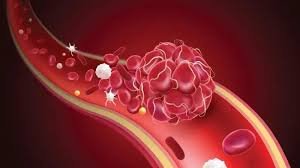
Experts indicate multiple causes for blood clotting, including obesity, diabetes, rheumatoid arthritis, and high blood pressure. Other notable factors are smoking, coronavirus infection, and certain medications like birth control pills containing estrogen. According to Dr. Sudhir Gupta of Metro Hospital, the FDA reports that among one million women using birth control pills, about 1,200 face elevated risk of blood clots. Dr. Ajit Jain of Rajiv Gandhi Hospital notes increased thrombosis cases linked to COVID-19, with impacts on heart attacks rising due to virus-related blood abnormalities. Dr. Ankit Kumar of GTB Hospital, Delhi, points out that sudden cardiac arrests and fatalities post-COVID are linked to the virus’s secondary effects and poor lifestyle choices. Smoking reportedly causes clotting problems in about 17,000 out of every 1 million smokers. Use of estrogen-containing drugs further heightens this risk.
Symptoms of blood clotting may include:
- Difficulty speaking
- Persistent pain in shoulders and legs
- Dizziness
- Sudden severe headache
- Chest or upper body pain
- Heavy sweating
- Loss of consciousness
- Breathing difficulty
- Back pain
Preventive measures emphasize regular exercise, avoiding smoking and alcohol, and not taking medicines without medical guidance. Immediate medical consultation is advised if any symptoms appear, as untreated blood clotting can cause fatal heart attacks or strokes.